Jessica Elefante studies what happens to human life when technology, media, and systems of influence begin to shape how we think, behave, connect, and live. Her work is a defense of the full life—the one we're built for, and keep getting pulled away from.
She has been asking these questions (and documenting the answers) for more than a decade.
She came to this work from an unlikely direction. For years, Jessica worked as a brand strategist during the rise of social media, studying how to capture attention, manufacture desire, and influence human behavior. She was named one of Brand Innovators’ 40 Under 40 for that work. But by 2013, she had begun questioning the systems she knew from the inside. That year, she wrote about “analogue craving,” digital overload, and the growing desire for less-mediated life in The SoDA Report and The Guardian, and founded Folk Rebellion.
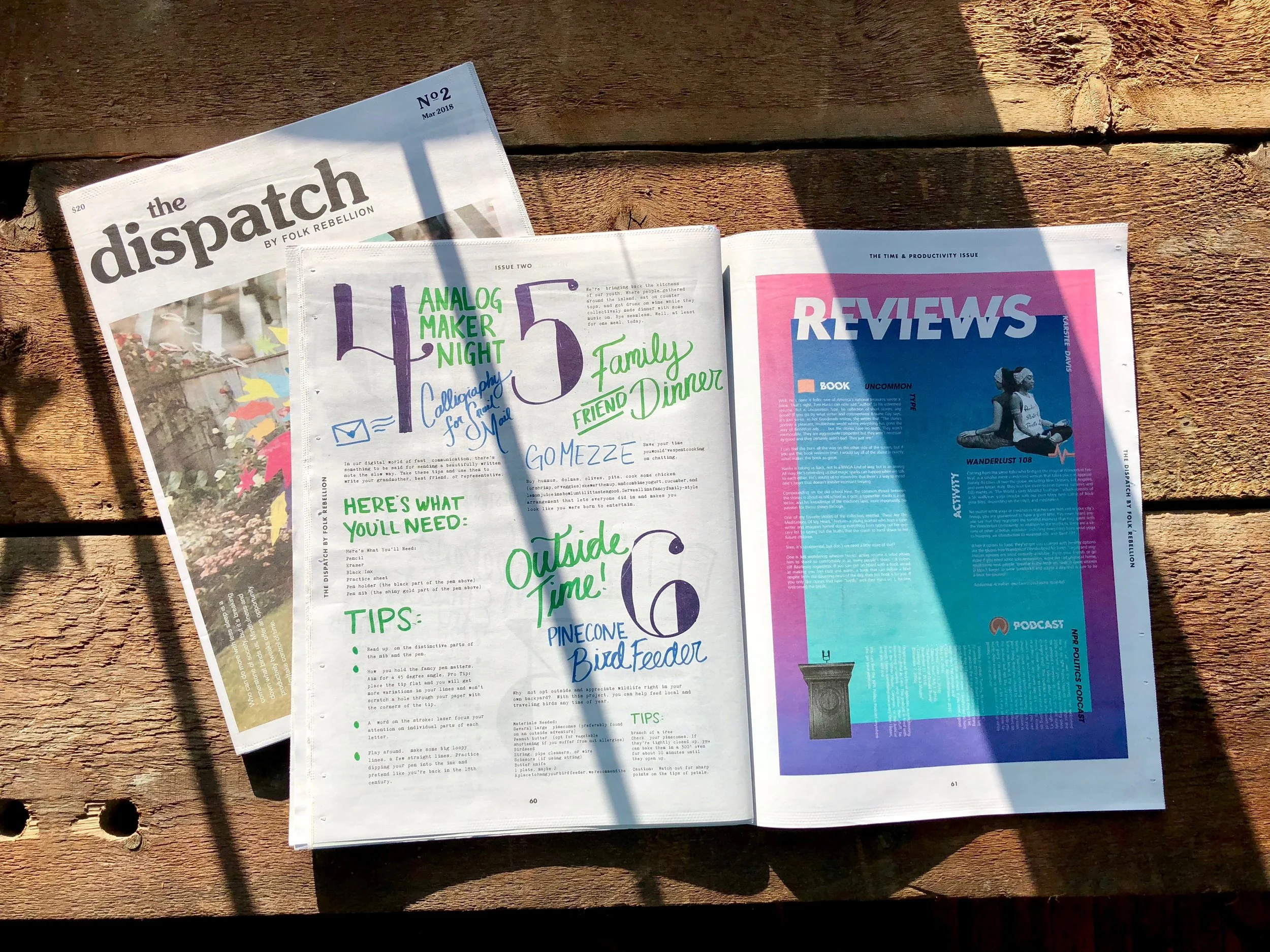
What followed was more than a decade of writing, filming, making, gathering, and experimenting with what it might mean to live differently. Folk Rebellion became part cultural critique, part real-world experiment. Jessica created and served as editor-in-chief of The Dispatch, an 80-page print newspaper; ran a snail-mail zine club; hosted no-phone parties and unplugged gatherings; and made physical objects designed to pull people back into the tangible world. T-shirts bearing messages like “Wander Where the WiFi Is Weak” arrived in an “Unplug Box” made from fruit pulp, tucked alongside a folded handwritten note. She gave keynotes and led workshops and digital detox retreats from Mexico to the Arctic Circle.
Years before today’s renewed fascination with analog life, unplugging, and Luddite culture, Folk Rebellion was treating physical media and offline experience as a countercultural artistic response to an increasingly mediated life. Beneath the playfulness was a serious and increasingly urgent inquiry into phone dependence, attention, social validation, screen addiction, childhood, and what constant connectivity was beginning to do to ordinary human behavior.
By the end of 2019, the experiment had become personal. Burned out and exhausted by the very digital world she had spent years examining, Jessica stepped away from Folk Rebellion and, with some irony, announced her departure from the internet on social media. She shut the project down, largely disappeared online, and began writing again. Her Substack quickly found an audience, and she was later selected for Substack Originals, the platform's first original video series featuring writers and creators. Her attempt to quit the internet—and what happened when she did—would eventually become part of Raising Hell, Living Well.
Then came 2020. The pandemic transformed the conditions of everyday life almost overnight. Jessica began documenting what was happening around her and eventually wrote, directed, and produced What Day Is It?, a short documentary built from the experience of New York City’s lockdown. Using journals, field recordings, footage, voice memos, and artifacts gathered as events unfolded, the film documented how isolation and radically altered surroundings reshaped perception, emotion, and the rhythms of daily life. It became her first investigation into human ecology: How much of who we are is shaped by the environments we inhabit?
Over time, the lens widened. Technology was only one part of a much larger machinery of influence—marketing, algorithms, consumer culture, wellness, capitalism, and the countless systems quietly shaping what we want, who we think we should be, and how we live.
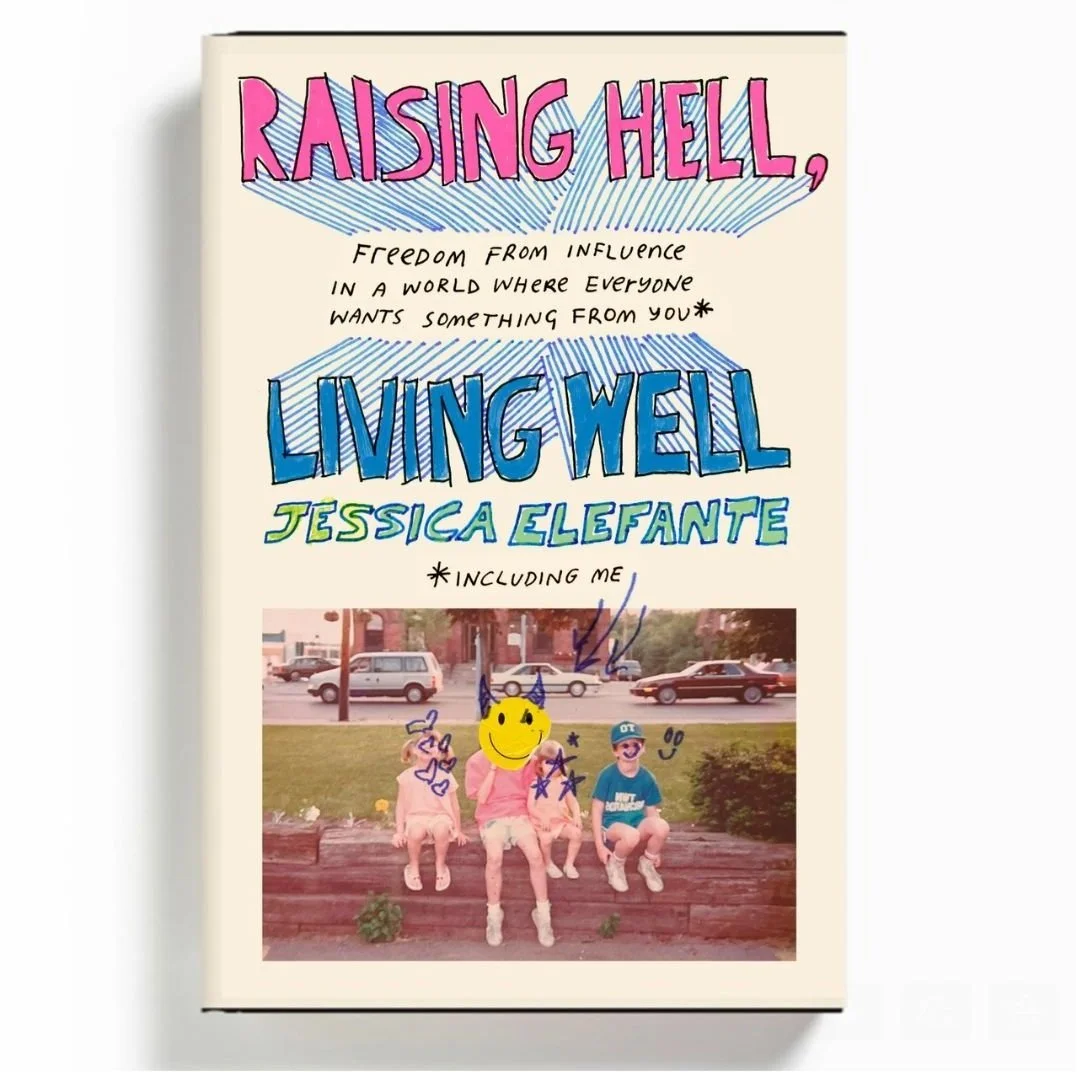
That became Raising Hell, Living Well: Freedom from Influence in a World Where Everyone Wants Something from You (Including Me), published by Ballantine/Penguin Random House in 2023. Part cultural criticism, part memoir, and part confession from someone who once worked inside that machinery, the book asks what it takes to reclaim agency in a world engineered to influence us. It was endorsed by Jaron Lanier, Nir Eyal, Lenore Skenazy, Margo Steines, and Cait Flanders.
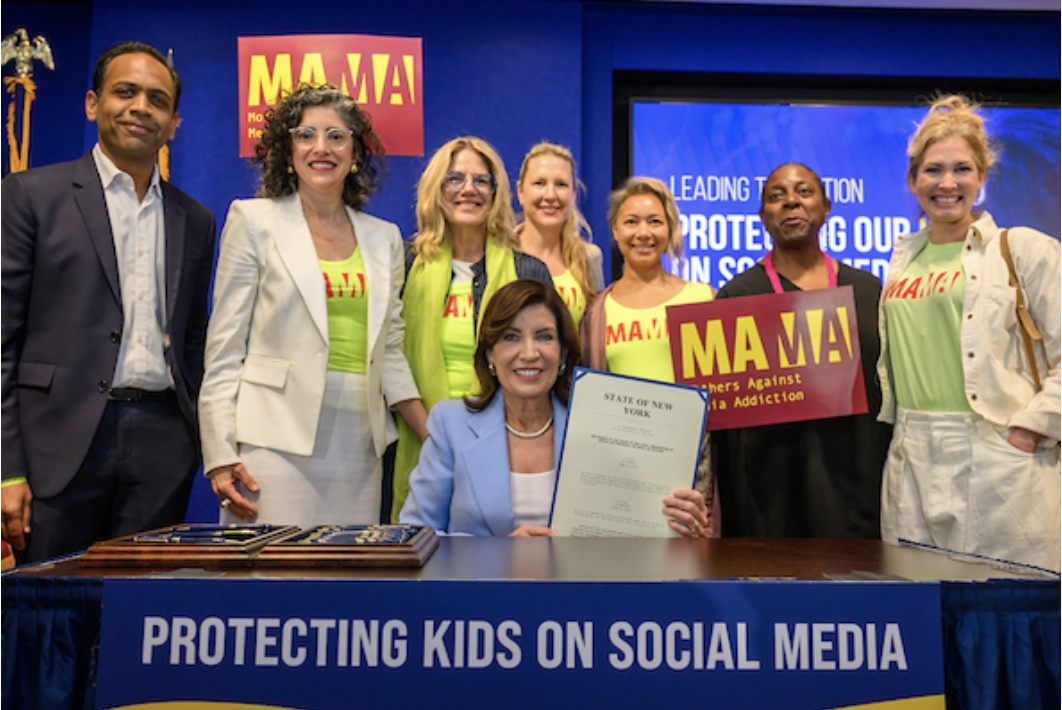
The stakes were perhaps clearest in childhood. The systems Jessica spent years studying were now shaping childhood itself—attention, play, independence, identity, and the space children have to develop outside the reach of algorithms. Today, she leads the Brooklyn chapter of Mothers Against Media Addiction, advocating for healthier digital environments for children and families. In 2024, she joined MAMA leaders and Governor Kathy Hochul at the signing of New York’s SAFE for Kids Act. For Jessica, children and technology are not a separate subject, but one of the clearest places to see what happens when systems of influence enter the most intimate parts of human life.
Increasingly, her attention has turned toward the other side of the equation: what do human beings actually need to thrive?
Folk Rebellion studied personal substitution. Mapping Humanity studies collective displacement.
Mapping Humanity, her long-term documentary and research project exploring technology and human ecology, turns toward the things that are harder to measure and impossible to fully digitize—the emotional, biological, physical, and communal textures of being alive, including emerging questions about consciousness and the nature of human experience.
Developed with author and Columbia professor Elizabeth Greenwood and fiscally sponsored by Entertainment to Affect Change (E2AC), the project examines attention, memory, embodiment, public space, ritual, boredom, touch, community, and shared experience—and asks which parts of human life, like species in a threatened ecosystem, can still be protected, restored, and passed on.
As more of human life becomes technologically mediated, what is worth deliberately protecting?
Jessica continues to write, with a children's series and new nonfiction in development. She is also returning to one of her oldest instincts: putting something physical in the mail.
Present Tense, her new snail-mail newsletter, documents an ongoing experiment in removing unnecessary technology from her own life and paying attention to what returns in its place. Part field notes, part practical guide, part cultural observation, it includes what she's presently tense about, experiments readers can try themselves, and illustrated missives from unplugged “third room” gatherings—where she sits, listens, doodles, and records what people are actually doing and saying together, in real life.
Jessica lives and works in New York City. Her work moves between writing, filmmaking, cultural research, public advocacy, and speaking. She is available for select keynotes, talks, interviews, and events, and works privately with a small number of families through her Parental Guidance advisory.
Writing · Film · Press · Speaking · Present Tense · Parental Guidance
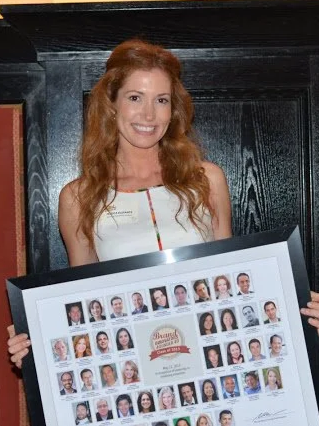
BRAND INNOVATORS 40 UNDER 40 · 2013
Jessica Elefante recognized as an emerging leader in brand marketing—the same year she began writing publicly about digital overload and “analogue craving” and founded Folk Rebellion.
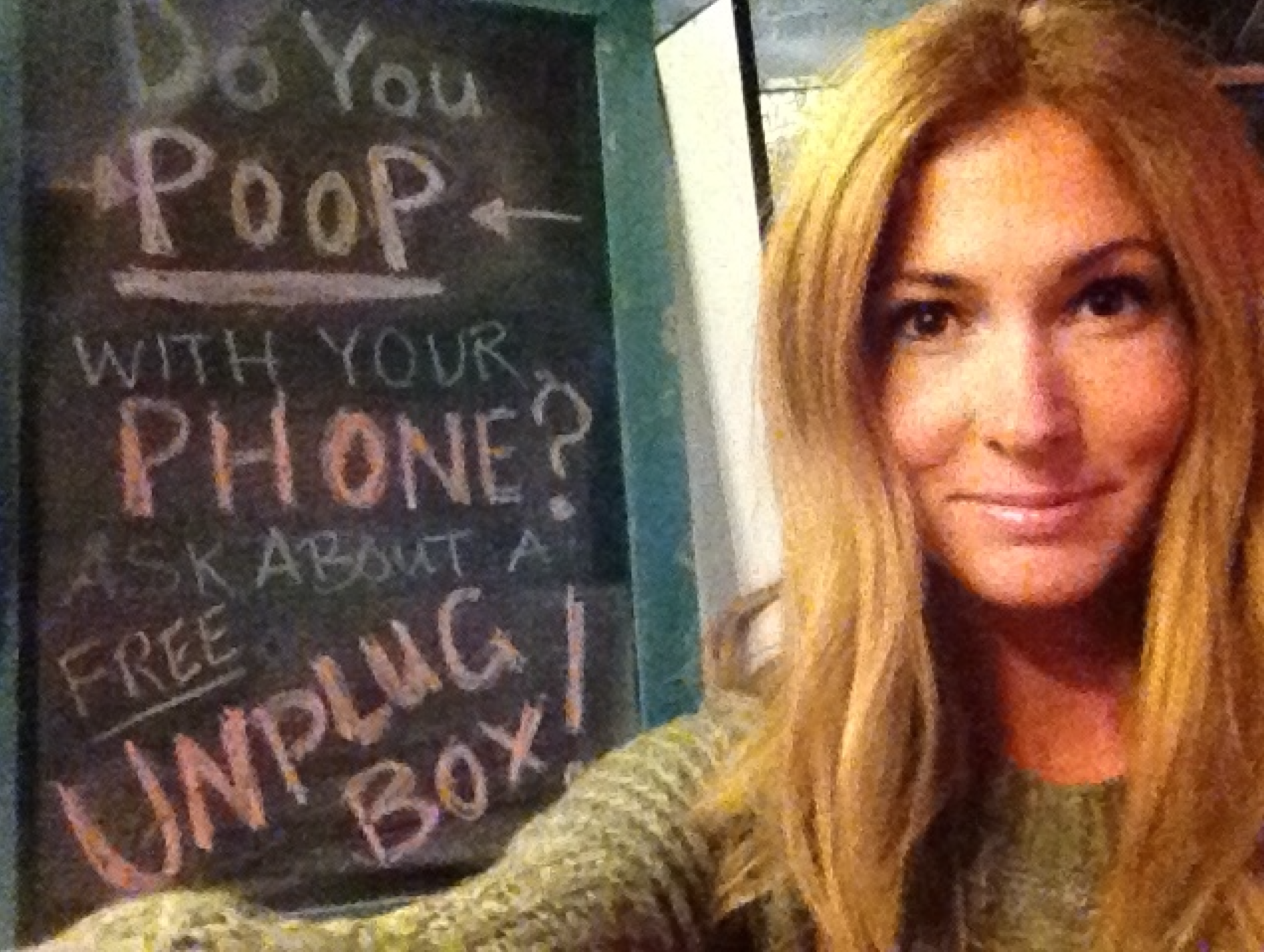
BROOKLYN NIGHT BAZAAR · FOLK REBELLION · 2014
In the early days of Folk Rebellion, I popped up a shop at Brooklyn Night Bazaar to test an idea: could humor interrupt our increasingly automatic relationship with our phones? “Do You Poop With Your Phone?” stopped people in their tracks. The offer underneath—a free Unplug Box—turned the joke into a physical experiment in putting the phone away.
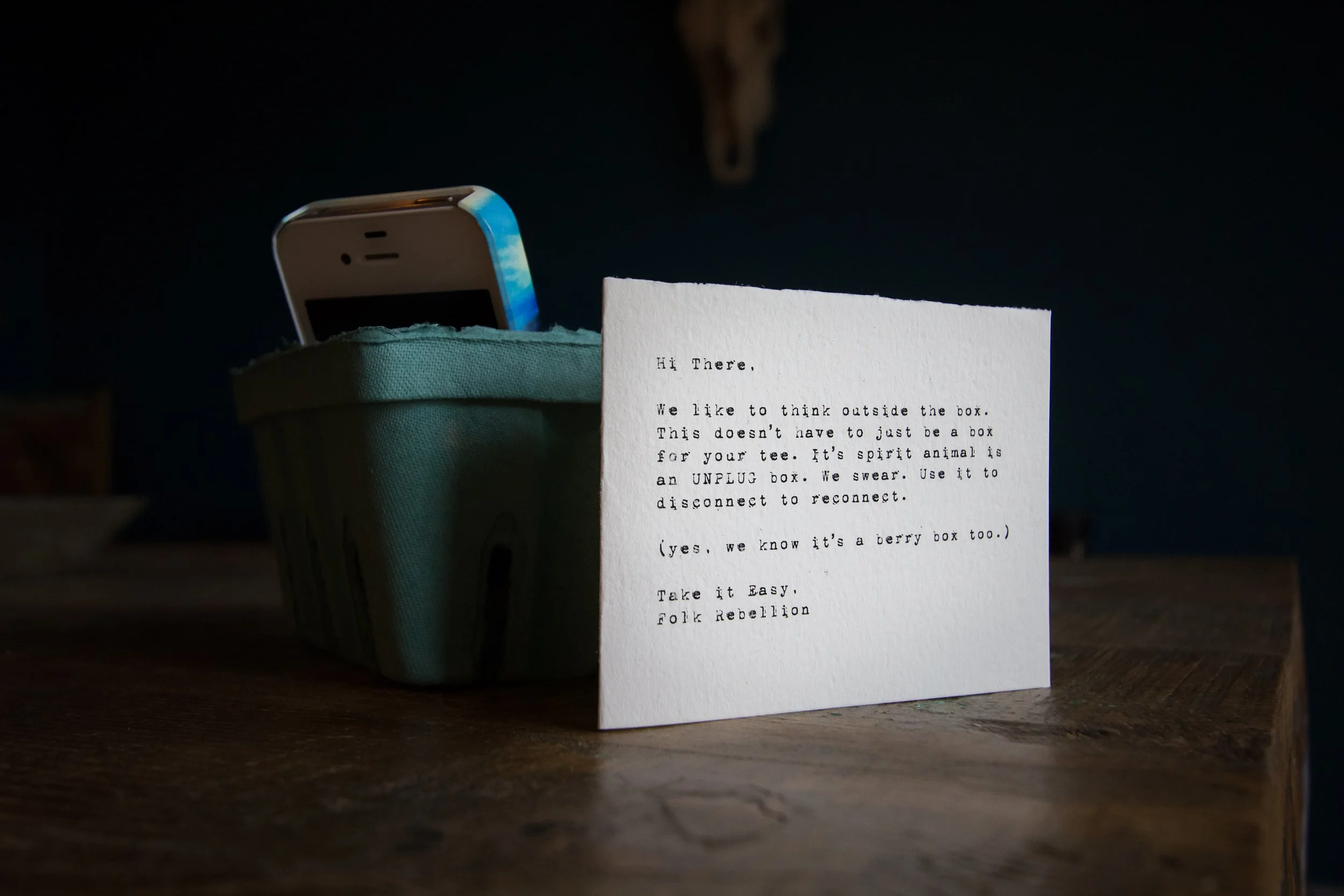
THE UNPLUG BOX · 2014
A fruit-pulp produce box repurposed as a place to put away your phone. Folk Rebellion products arrived inside with a handwritten note encouraging people to “disconnect to reconnect”—turning the packaging itself into an invitation to step away from the screen.
OFFLINE, TOGETHER · FOLK REBELLION · 2015
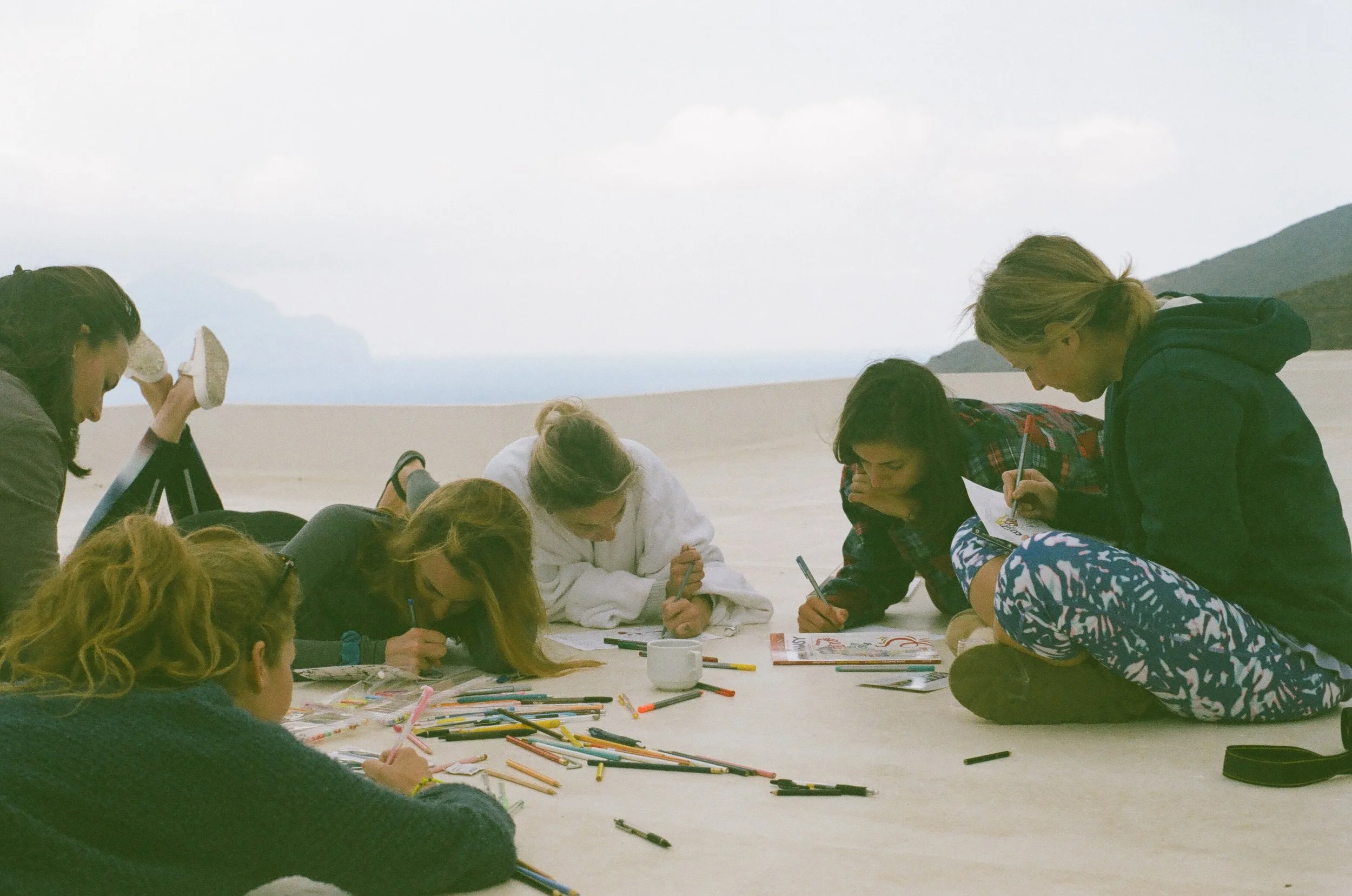
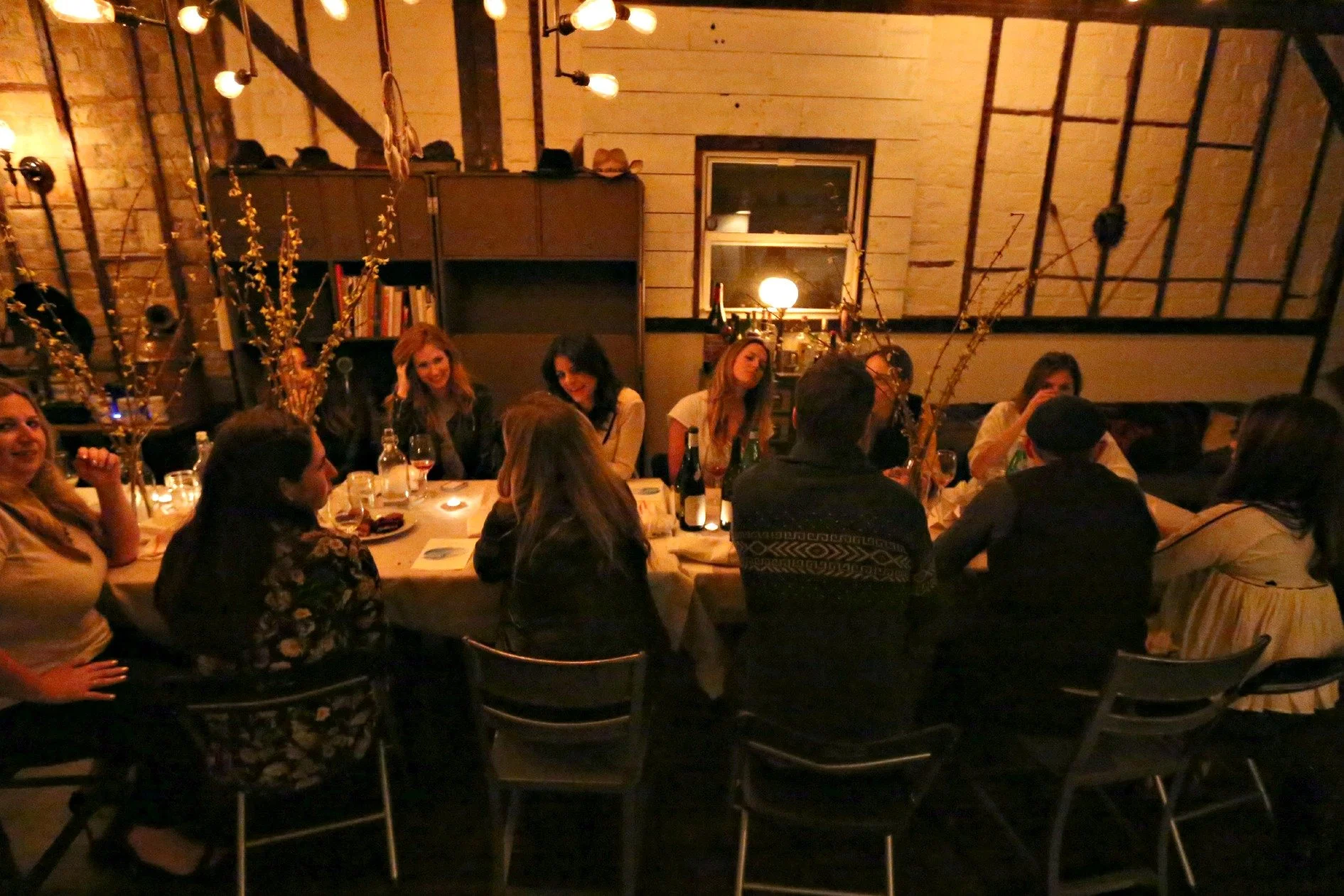
The ideas moved off the page and into real life. Folk Rebellion hosted no-phone dinners, parties, workshops, gatherings, and digital-detox retreats designed around a simple experiment: what happens when the screens disappear and people have to be together again?

FROM MESSAGE TO MAINSTREAM · OK! MAGAZINE · 2016
Danica Patrick wears Folk Rebellion's “Hold Somebody Like You Hold Your Phone” in OK! Magazine's “Digital Detox” feature—bringing the project's early critique of screens and human connection into popular culture.
THE DISPATCH · 2018
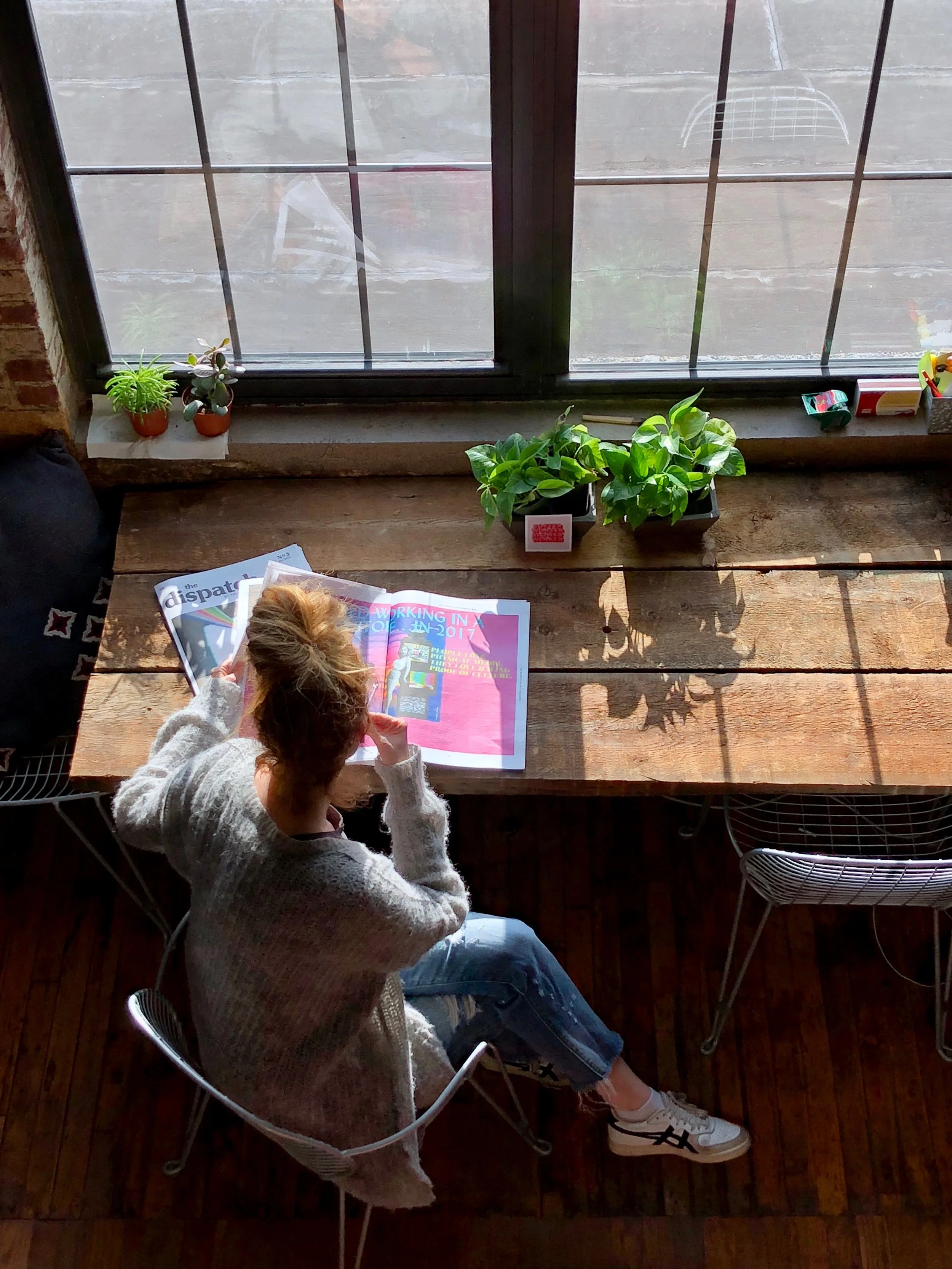
When “print is dead” was conventional wisdom, I went the other direction. I created The Dispatch, Folk Rebellion's 80-page independent print newspaper, and served as its editor-in-chief. Made by a small team in Brooklyn and sent into the physical world, it explored technology, attention, culture, parenting, nature, work, and what might be worth preserving in an increasingly digital life.
US & Canada: Amazon | Barnes & Noble | Books A Million | Bookshop.org Hudson Booksellers | IndieBound | Powell’s | Tertulia Walmart
“Jessica Elefante practices what she preaches by rising above complaints to confront modern, twisted problems right in the face. How do you know when you are yourself and not just a punching bag for algorithms and come-ons? Will you still be loved if you don’t do what you’re being told to do? Here is a weirdly practical approach to some ancient questions that have become trickier lately.”
—Jaron Lanier, bestselling author of Ten Arguments for Deleting Your Social Media Accounts Right Now